

How Industrial Material Recycling Keeps Waste Out of the Landfills
Industrial material recycling plays a vital role in modern waste management by diverting large volumes of discarded materials away from landfills and back into productive use. This article examines how recycling within industrial sectors reduces environmental impact, conserves natural resources, and highlights the essential role local industrial recycling companies play in supporting a more sustainable, circular economy. It also explores how these systems help industries operate more efficiently while meeting growing environmental regulations. As demand for sustainable practices increases, industrial recycling continues to evolve with improved technologies and processes. Understanding its impact is key for businesses aiming to reduce waste and improve long-term operational sustainability.
Industrial Material Recycling Processes
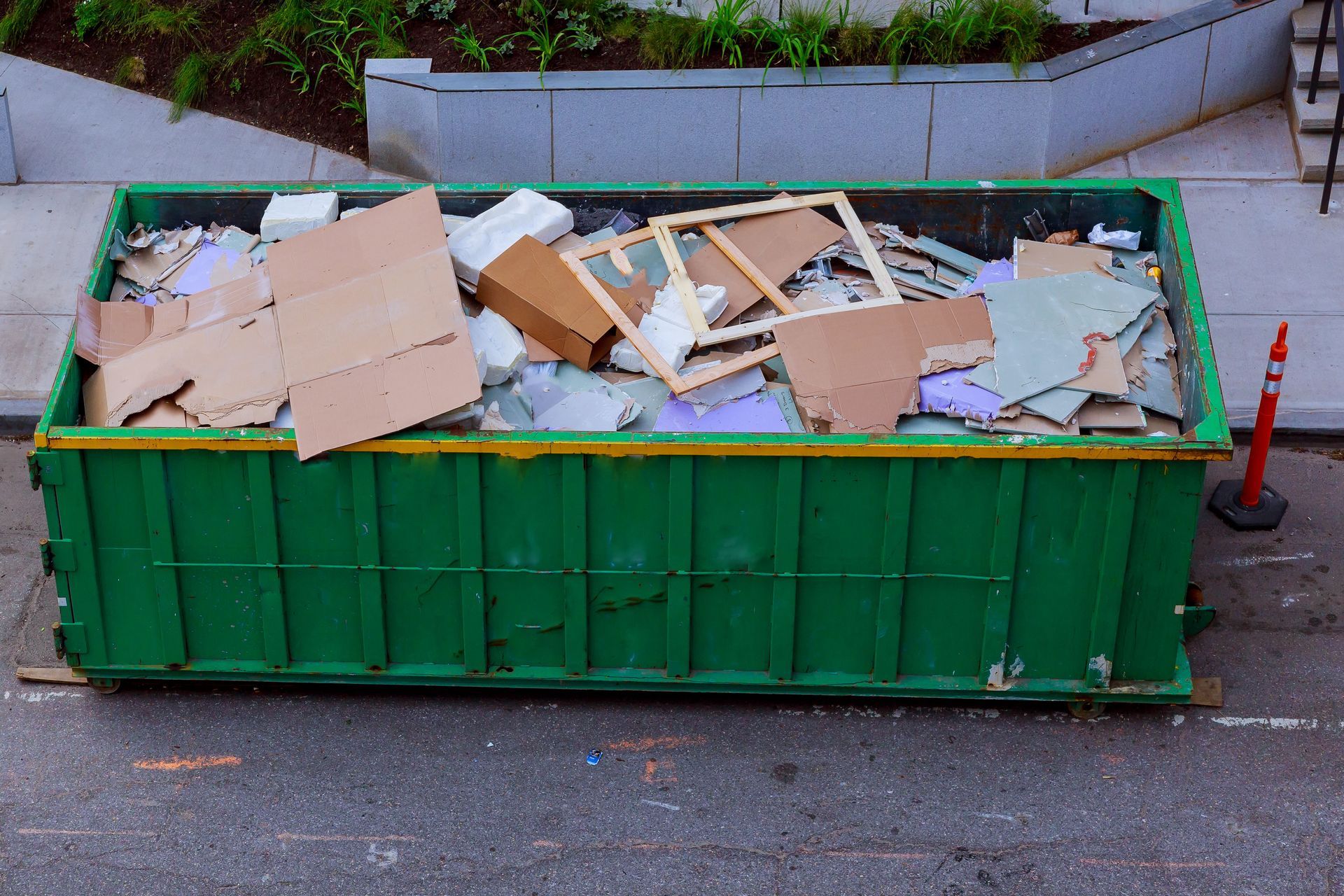
Industrial material recycling is the process of recovering usable materials from industrial waste to prevent further strain on landfills. This approach not only conserves natural resources but also significantly reduces the environmental footprint of manufacturing processes. Recycling industrial materials such as metals, plastics, and glass can reclaim substantial volumes that would otherwise contribute to landfill overflow. Local industrial recycling companies are indispensable in executing these operations effectively, ensuring a consistent flow of materials that might otherwise end up as waste.
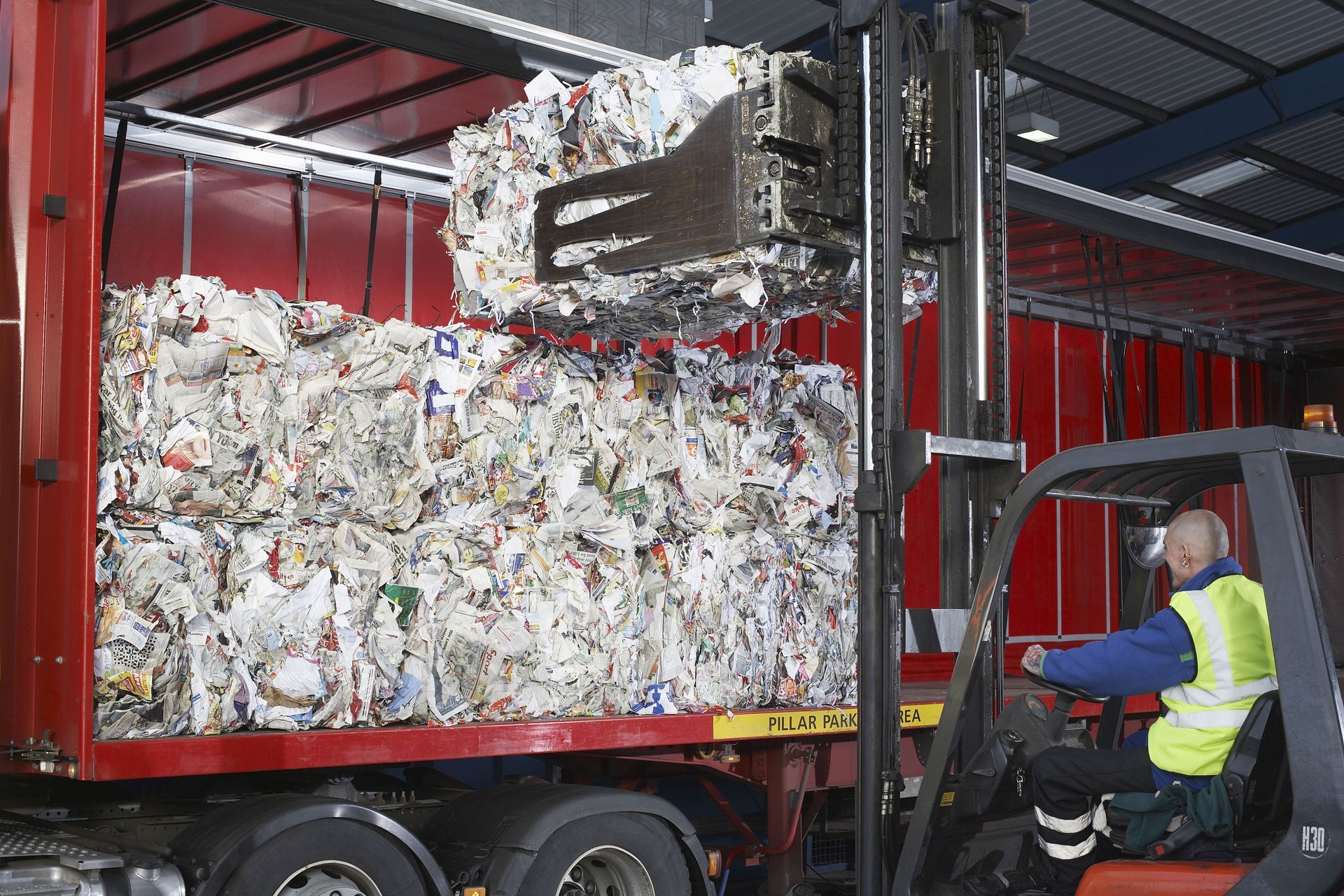
To understand the importance of this recycling method, one must consider the vast quantities of industrial waste produced annually. According to the U.S. Environmental Protection Agency, the U.S. recycling industry typically recovers millions of tons of industrial materials each year. By systematically sorting and processing these materials, recycling companies help keep them in circulation, fostering an economy of reuse and regeneration. Such efforts not only divert waste from landfills but also support the creation of new products from reclaimed sources.
Moreover, industrial material recycling contributes to reducing the extraction and processing of virgin materials, which are energy-intensive and often environmentally damaging. Through recycling, we reduce our dependency on raw materials, subsequently decreasing greenhouse gas emissions. Local industrial recycling companies are at the forefront of this movement, implementing innovative technologies to enhance the efficiency and effectiveness of recycling operations. By supporting these initiatives, businesses and consumers alike participate in a collaborative effort to protect the environment and promote sustainability.
Local Recycling Company Operations
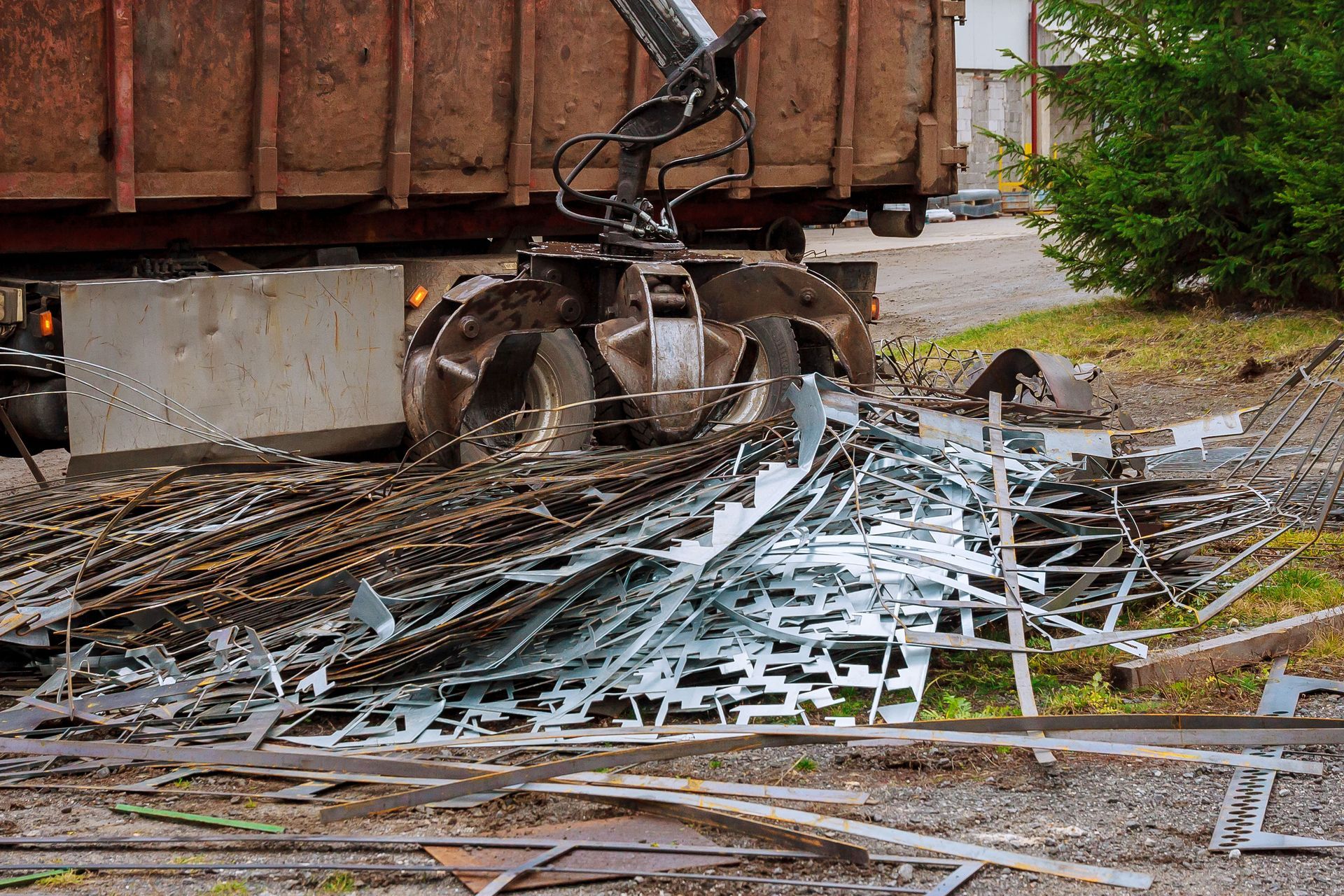
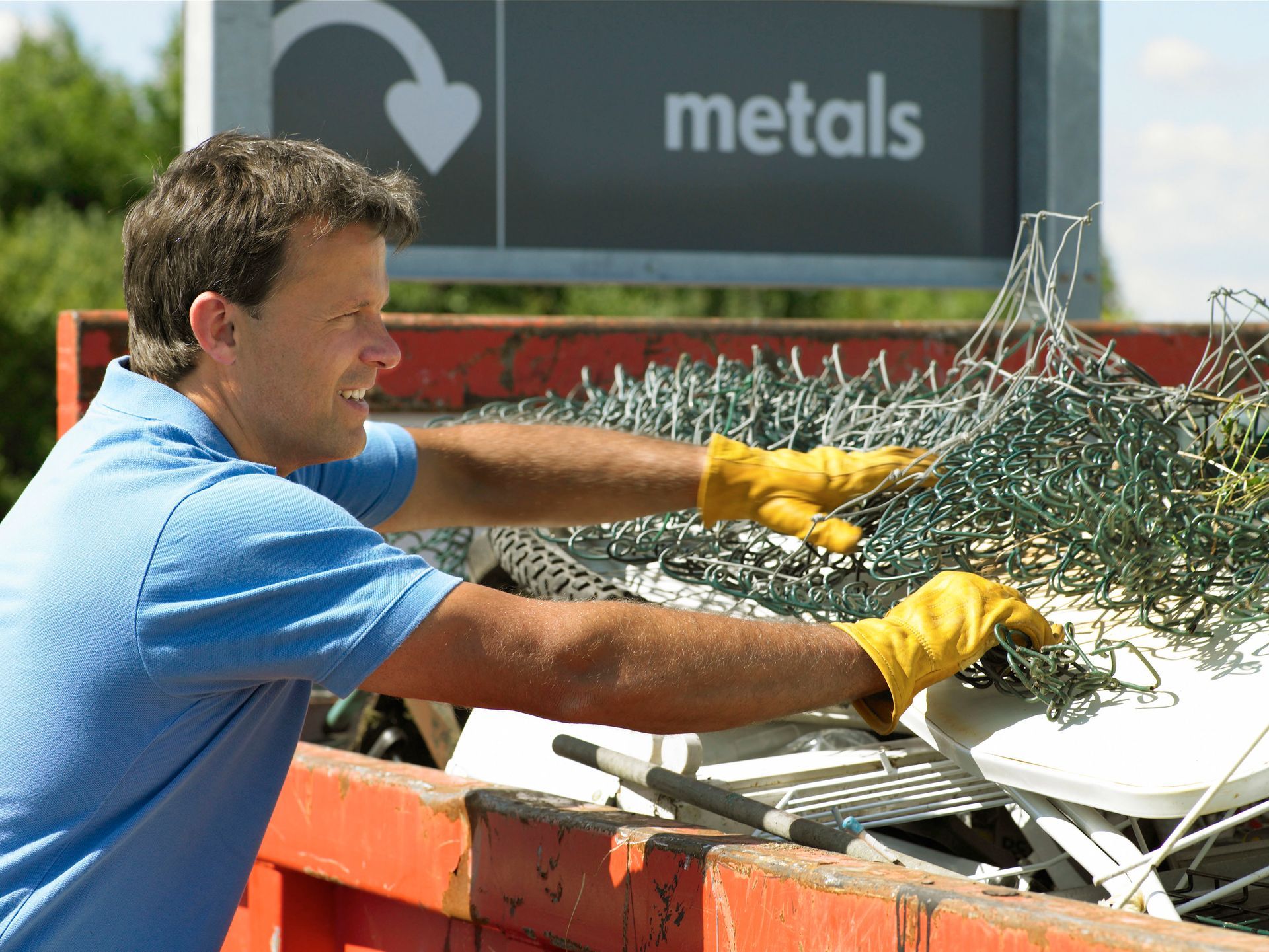
Local industrial recycling companies are instrumental in the process of reclaiming and repurposing industrial waste materials. Operations usually begin with the collection and transportation of waste to their facilities, where it undergoes a meticulous sorting process. Sophisticated machinery and skilled workers segregate materials into different categories, such as metals, plastics, and electronic waste. This initial stage is crucial for determining the appropriate recycling methods for each material type, ensuring high recovery rates and quality control.
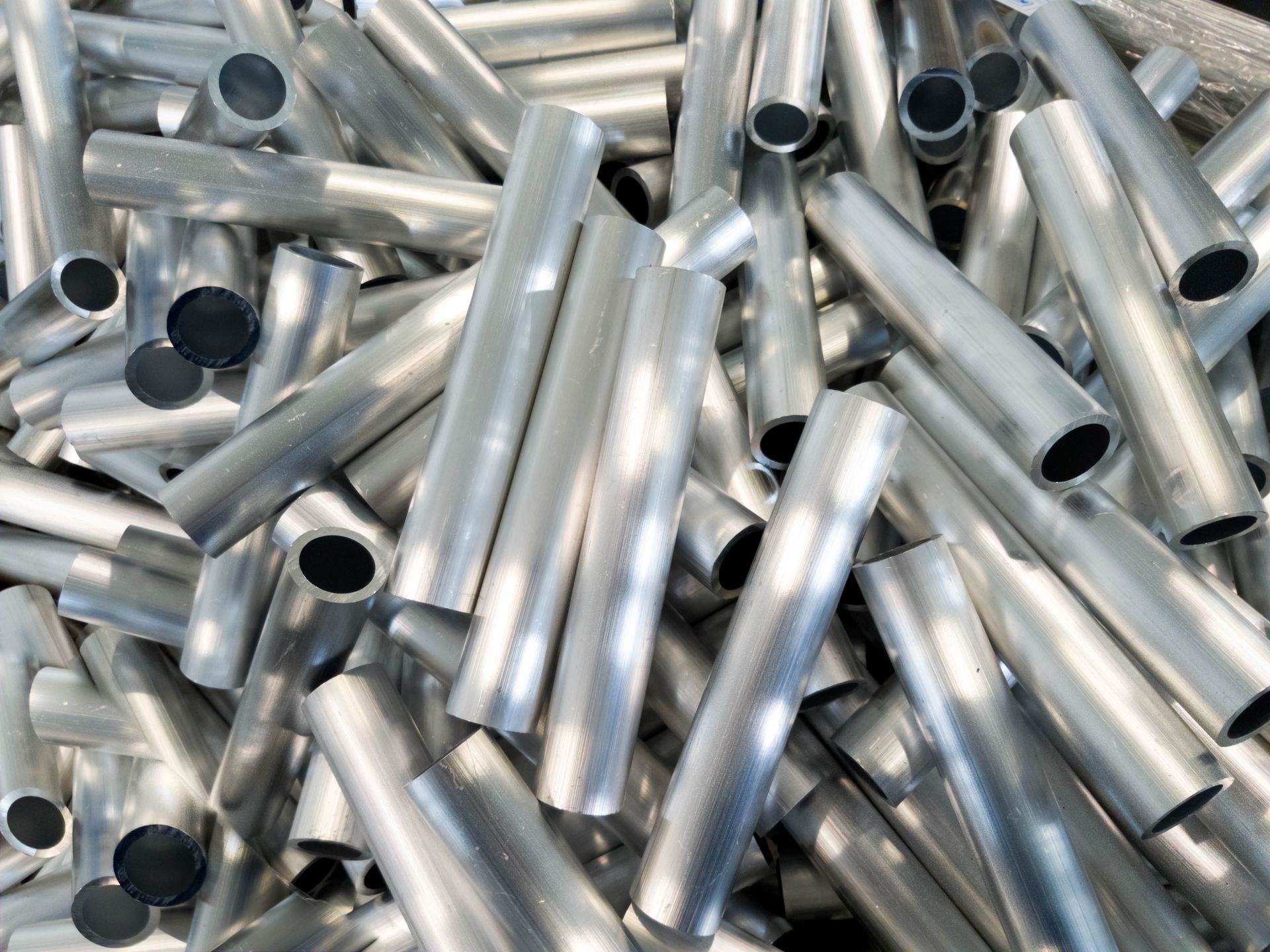
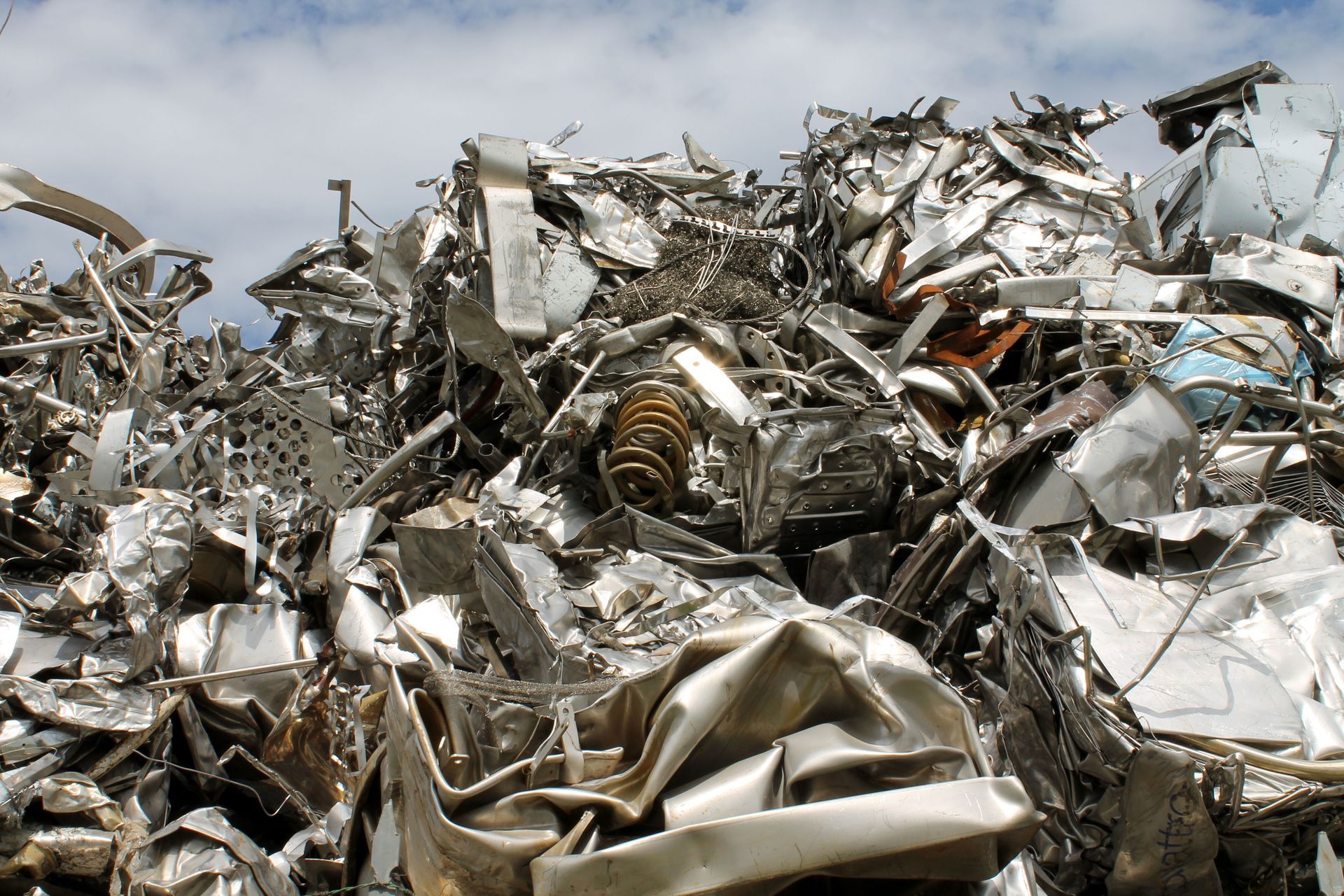
Once sorted, materials are subjected to dedicated recycling processes tailored to each material's specific properties. Metals, for instance, are melted down for purification and reshaping, while plastics may be shredded, melted, and reformed into new products. Local industrial recycling companies employ cutting-edge technology to optimize these methods, enhancing the efficiency and quality of the final reclaimed product. By streamlining these processes, they ensure minimal environmental impact and maximum resource retrieval.
The final phase of their operations involves the distribution of recycled materials to manufacturing industries that utilize them as raw materials. This creates a circular economy where waste transforms into a resource, promoting a sustainable model across industries. By collaborating with various stakeholders, including governments and private enterprises, these companies play a vital role in advancing environmental initiatives. Their commitment to innovation and efficiency not only reduces landfill waste but also supports economic growth through the creation and sale of recycled materials.
Environmental Benefits of Recycling
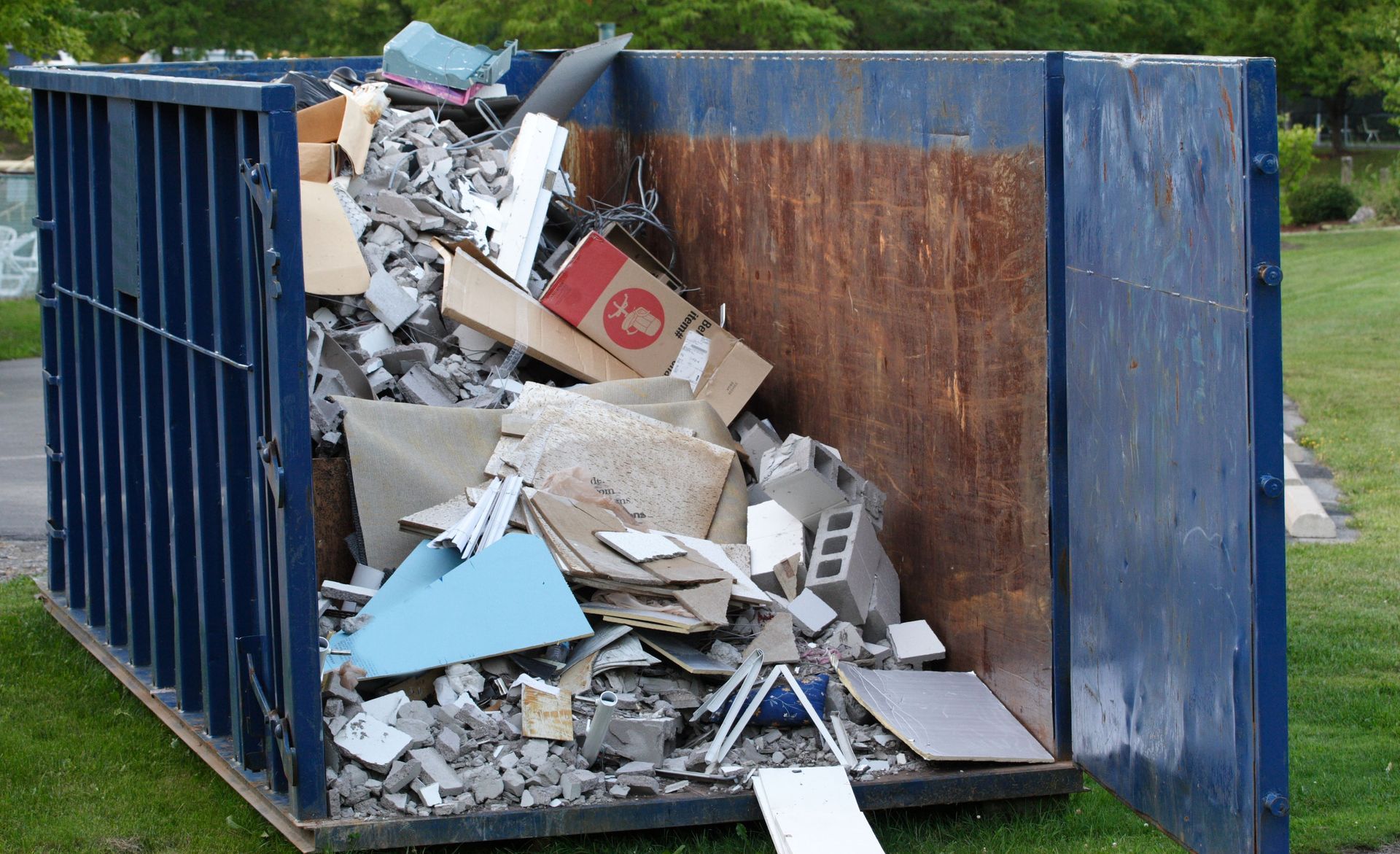
Industrial recycling is pivotal for the environment as it significantly curtails the adverse impacts of industrial waste. By diverting waste from landfills, recycling mitigates the environmental issues associated with waste accumulation, such as soil contamination and methane production. Furthermore, recycling conserves natural resources by returning valuable materials into the production cycle, thereby reducing the need to harvest raw materials. Local industrial recycling companies contribute significantly to these efforts by providing the infrastructure and expertise required to make recycling a viable option.
The practice of recycling industrial materials leads to considerable energy savings compared to using virgin resources. For example, recycling aluminum saves up to 95% of the energy needed to produce it from raw bauxite ore. This reduction in energy consumption directly translates to fewer greenhouse gas emissions, which are a major contributor to climate change. By enabling more efficient use of resources, industrial recycling helps curb the environmental impact of manufacturing and reduces the industry's carbon footprint.
Additionally, industrial recycling supports biodiversity conservation by alleviating the pressures of industrial operations on natural ecosystems. The reduced need for new material extraction means less destruction of habitats and lower rates of pollution that affect wildlife. Local industrial recycling companies play an essential role in achieving these environmental benefits through their strategic operations that promote sustainable waste management practices. Their dedication to developing eco-friendly solutions helps foster an environment where economy and ecology can coexist harmoniously. This balance is increasingly important as industries face growing pressure to adopt environmentally responsible practices.
Business Strategies for Recycling Support
Businesses can take several actionable steps to support local industrial recycling efforts and contribute positively to sustainability goals. One effective way is by establishing partnerships with local industrial recycling companies to create tailored recycling programs. This collaboration can involve the implementation of on-site waste segregation systems that facilitate efficient recycling processes. By integrating recycling into their corporate policies, businesses can significantly reduce their waste footprint and align themselves with global environmental standards. These efforts can also improve operational efficiency by streamlining waste handling procedures.
Furthermore, investing in sustainable product design is another important strategy for businesses to advance industrial recycling efforts. By considering recycling at the end-of-life of products during the design phase, businesses can ensure that materials are suitable for recycling. This approach not only enhances product value but also extends the life cycle of materials, thus helping reduce waste generation. Supporting local industrial recycling companies by sourcing recycled materials for production further closes the loop and endorses the circular economy. Over time, this can also strengthen brand reputation among environmentally conscious consumers.
Educational initiatives and awareness campaigns can also be instrumental in mobilizing greater support for industrial recycling. Businesses can lead by example, showcasing successful recycling practices within their operations and highlighting the benefits to their stakeholders. By promoting a culture of sustainability and responsibility, companies can inspire other organizations and individuals to adopt eco-friendly practices. Such collective actions amplify the impact of local industrial recycling companies, paving the way for a more sustainable industrial future. Consistent engagement with employees and the public helps reinforce long-term behavioral change.
Industrial material recycling is an essential component of effective waste management, delivering measurable environmental and economic benefits. By diverting waste from landfills and returning valuable materials to the production cycle, it reduces resource consumption and supports long-term sustainability. Local industrial recycling companies are central to this process, working with industries and communities to turn waste into usable resources through advanced sorting, processing, and recovery systems. As more organizations embrace recycling practices and circular economy principles, the collective impact will continue to grow, helping to preserve natural resources and reduce the environmental footprint of industrial activity. Reach out to American Metal & Paper Recycling Inc to learn more about our services today.

The Scale of the U.S. Recycling Industry: How Millions of Tons of Materials Are Recovered Every Year
Share On: