

The Economic Case for Recycling: How Energy Savings Lead to Cost Reductions
The economic implications of recycling go beyond simple waste management; they encompass significant energy savings and cost reductions for businesses and communities. By understanding how recycling contributes to energy conservation, stakeholders can appreciate its broader economic benefits. This article delves into how industrial recycling reduces energy consumption and operational expenses across multiple sectors.
Understanding the Energy Footprint of Production
Raw materials extraction and processing require substantial amounts of energy, especially in industries that produce metals, plastics, and paper using non-renewable sources. This high energy demand increases operational costs and contributes to greenhouse gas emissions that impact long-term environmental and economic stability. When recycled materials replace raw ones, the energy needed for production decreases significantly, creating a strategic shift toward greater efficiency and cost-effectiveness.
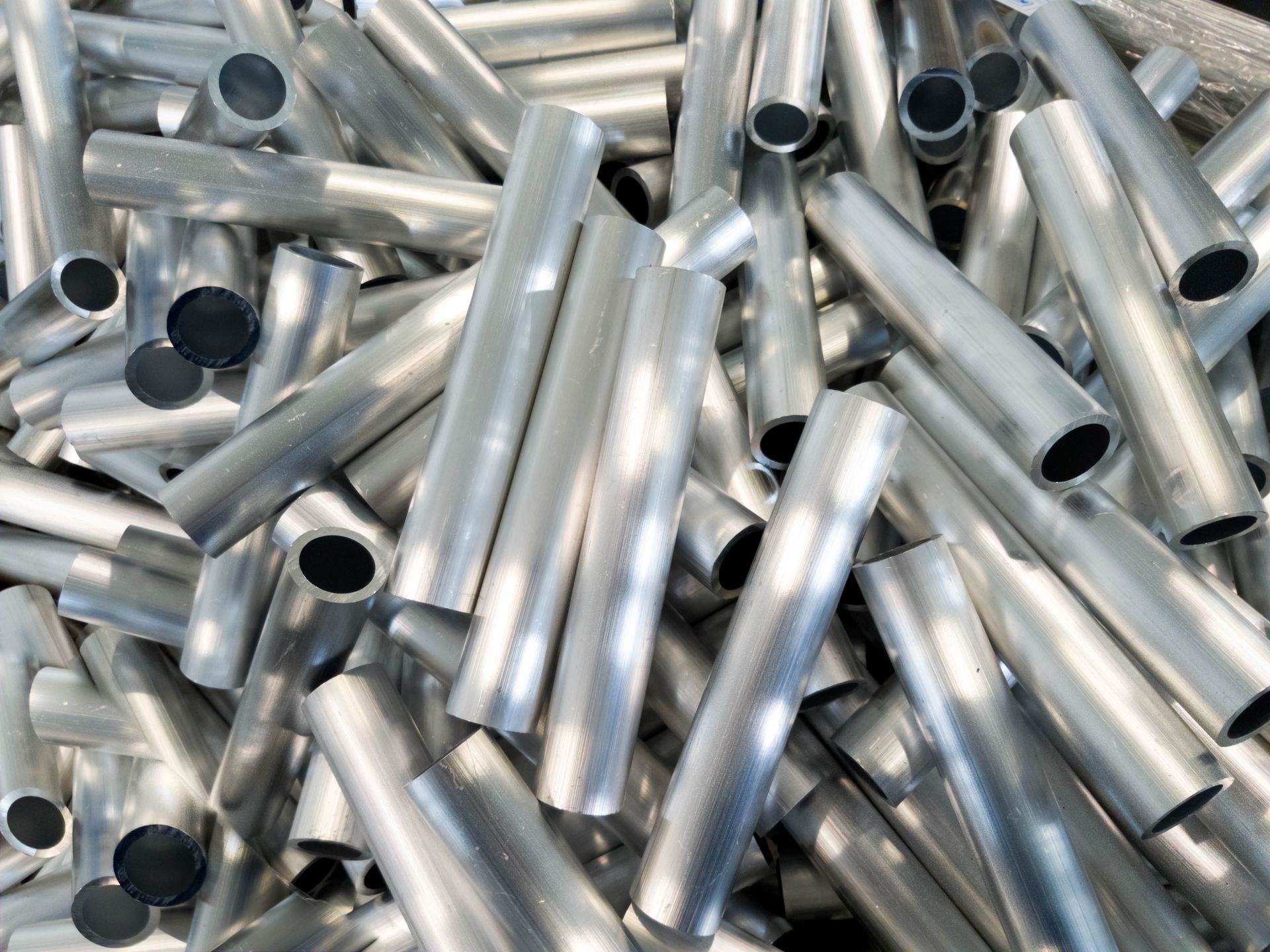
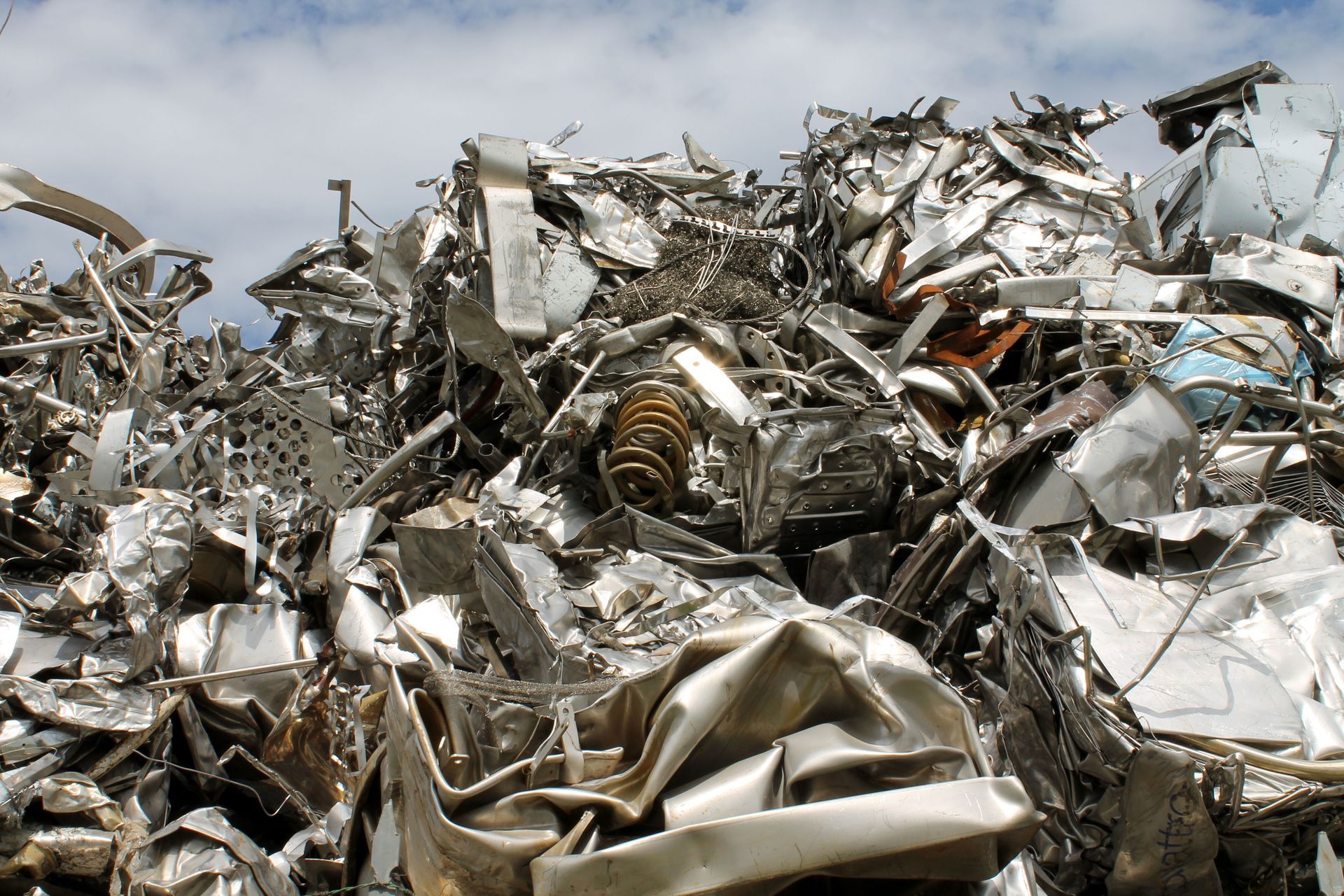
Recycling industrial materials such as metals, plastics, and paper dramatically reduces the energy required for manufacturing. According to the Alluminum Association, recycling industrial materials, such as metals, paper, and plastics, significantly reduces the energy required to produce new products. For example, recycling aluminum saves up to 95% of the energy compared to producing new aluminum from bauxite. This reduction lowers production costs and strengthens the circular economy by keeping materials in circulation longer.
The full lifecycle of a product, from creation to disposal, determines its overall energy use. Industrial recycling reduces lifecycle energy demands by extending product utility and minimizing the need for new raw materials in future production cycles. Industries such as paper and metal manufacturing experience especially large energy savings when they incorporate recycled content at multiple stages of production.
Manufacturing processes determine how much energy an industry consumes during production. Traditional processes rely heavily on energy-intensive extraction and refinement phases that elevate costs and reduce efficiency. Integrating recycled materials streamlines production, cuts energy use, reduces operational expenses, and supports corporate sustainability goals in increasingly eco-aware markets.
Recycling Cost Benefits
Recycling immediately reduces energy consumption, which directly lowers energy bills for companies, municipalities, and households. Using recycled materials avoids costly extraction and refinement processes that burden production budgets.
Recycling also provides substantial long-term savings by reducing operational costs tied to raw materials and energy consumption. Industries adopting recycling discover that efficiency gains accumulate steadily, helping them withstand economic shifts with greater resilience. Over time, these savings strengthen a company’s capacity to invest in new technologies and business expansion.
Numerous case studies confirm the economic benefits of recycling in diverse industries. Municipalities with strong recycling programs also see major reductions in waste management expenses, allowing them to reinvest in community development.
Governments around the world support recycling through tax credits, grants, and subsidies designed to encourage energy-efficient practices. These incentives foster innovation and make recycling financially attractive for both small businesses and large industries. By aligning public policies with sustainable industry practices, governments stimulate economic growth while reducing national energy usage.
Recycling offers both immediate and long-term financial advantages, enhancing its appeal across industries. Immediate savings arise through lower energy bills and reduced waste management expenses, while long-term benefits emerge as companies refine their processes and discover new efficiencies. The dual nature of these savings strengthens profitability and supports sustainable growth.
Recycling and Its Macroeconomic Impact
Recycling reduces national energy consumption by decreasing reliance on energy-heavy raw material extraction. This reduction helps countries meet environmental policy goals while strengthening energy security and lowering long-term energy demand. Over time, broad recycling participation significantly improves national energy efficiency metrics.
By increasing reliance on recycled materials, countries reduce their need to import costly raw materials that contribute to trade deficits. Industrial recycling strengthens domestic resource availability, enabling local industries to thrive with fewer foreign material expenditures. This self-reliance supports economic stability and enhances global competitiveness.
The recycling industry generates employment across numerous sectors, from material collection to advanced processing. These jobs help reduce unemployment while supporting manufacturing, technology development, and environmental services. The resulting economic activity boosts tax revenues and stimulates national economic growth.
Recycling significantly reduces national waste management expenses by diverting materials away from landfills and incinerators. Traditional waste disposal is costly and resource-intensive, while recycling provides a more efficient and financially sound alternative. The resulting savings allow governments to redirect funds toward infrastructure, healthcare, and education.
Driving Energy Efficiency in Recycling With Technology
Innovative sorting technologies, including automated and robotic systems, enhance the efficiency of industrial recycling operations. These technologies minimize contamination, maximize recovery, and reduce the energy required for processing. As these systems advance, recycling becomes even more cost-effective and energy-efficient.
Waste-to-energy technologies convert discarded materials into usable power, reducing landfill use while generating alternative energy sources. This dual benefit enhances the economic return of recycling programs and strengthens energy diversification. As these technologies develop, they expand revenue opportunities for recycling industries.
Investing in advanced recycling technologies yields substantial financial benefits through enhanced efficiency and reduced energy consumption. As innovations continue, recycling becomes increasingly economically competitive and environmentally essential. These investments support long-term growth and solidify recycling’s role as a critical sustainability strategy.
Hindering Effective Recycling and Energy Recovery
Weak collection and sorting systems hinder recycling effectiveness and raise contamination rates. Without proper infrastructure, valuable materials are lost to landfills, increasing energy consumption and costs. Investing in improved systems is essential for optimizing recycling outcomes and energy savings.
Fluctuating commodity prices can make recycling less profitable when virgin material prices fall. This instability discourages investment in recycling technologies and infrastructure, limiting progress. Strategic collaboration is needed to stabilize market demand and support recycling’s economic viability.
Misconceptions about recycling can reduce participation and hinder program success. Educating communities about recycling’s economic and environmental benefits is crucial for increasing engagement. Strong community involvement improves recovery rates and supports long-term sustainability.
Ineffective or inconsistent regulations can impede industrial recycling initiatives and create unnecessary costs. Streamlined policies and meaningful incentives encourage greater participation and investment. Effective regulatory frameworks ensure recycling programs achieve their full economic and energy-saving potential.
Small businesses often lack the resources to adopt advanced recycling technologies or participate fully in recycling programs. Limited capital and operational scale restrict their ability to benefit from efficiency gains. Support through incentives and partnerships helps small enterprises join the recycling economy more effectively.
Maximizing Economic Benefits
Integrated recycling networks foster collaboration across industries, increasing efficiency and reducing costs. Shared infrastructure and coordinated systems enhance material recovery and improve economic resilience. These networks strengthen recycling’s overall viability and promote broader sustainability.
Strong policies and incentives encourage investment and innovation in recycling technologies. Clear regulatory frameworks create a stable environment that supports long-term sustainability efforts. Government leadership is essential in maximizing recycling’s economic and environmental advantages.
Community education helps increase recycling participation and improves overall program effectiveness. Public awareness initiatives empower residents to make informed choices that support long-term sustainability. Engaged communities strengthen recycling outcomes and amplify economic benefits.
Public-private partnerships combine resources and expertise to advance recycling infrastructure and efficiency. These collaborations reduce costs, encourage innovation, and foster sustainable industry practices. Strengthening these partnerships enhances the economic impact of recycling.
Research and development drive the technological advancements that make recycling increasingly efficient and cost-effective. Continued investment fuels creativity in waste recovery, energy savings, and new material applications. Support for innovation ensures recycling remains a cornerstone of sustainable economic growth.
Recycling strengthens both economic and environmental outcomes by significantly reducing energy consumption and operational costs. When businesses, governments, and communities recognize its financial advantages, they are more likely to invest in long-term recycling strategies. By embracing recycling, society moves toward a more efficient, sustainable, and economically resilient future. If you are interested in the impact industrial recycling has on saving energy costs, contact American Metal & Paper Recycling Inc today!

The Scale of the U.S. Recycling Industry: How Millions of Tons of Materials Are Recovered Every Year
Share On: