

The Scale of the U.S. Recycling Industry: How Millions of Tons of Materials Are Recovered Every Year
The recycling industry in the United States plays a central role in resource recovery, environmental protection, and economic activity. As one of the world’s largest producers of waste, the U.S. relies on recycling to reduce landfill use, conserve raw materials, and support sustainable manufacturing. This includes not only municipal systems but also industrial recycling, which focuses on recovering materials from manufacturing, construction, and large-scale commercial operations.
This article examines the structure and scale of the U.S. recycling industry, highlighting its historical development, material streams, operational processes, environmental value, and economic drivers. Understanding how recycling functions at a national level, including the growing influence of industrial recycling, underscores its importance in meeting long-term sustainability goals.
1. Overview of the U.S. Recycling Industry
1.1 Historical Background
Recycling in the U.S. has roots in early twentieth-century conservation efforts, particularly during World War II when material shortages prompted nationwide recovery programs. Metals, rubber, and paper were collected extensively to support wartime production, laying the groundwork for what would later evolve into modern industrial recycling practices.
The establishment of Earth Day in 1970 and the creation of the Environmental Protection Agency (EPA) marked a turning point. Recycling programs expanded at municipal levels, while industrial facilities began adopting structured recovery systems to manage large material volumes more efficiently.
1.2 Key Players in the Industry
The U.S. recycling industry includes private waste management firms, nonprofit organizations, manufacturers, and government agencies. Large companies such as Waste Management, Inc. and Republic Services operate nationwide collection and processing networks that serve both residential and industrial recycling needs.
Nonprofits and trade organizations support infrastructure development and education, while manufacturers increasingly integrate recycled inputs sourced through industrial recovery programs.
1.3 Market Size and Economic Impact
The recycling sector represents a substantial economic contributor. According to the Recycling Economic Information Study, recycling and reuse activities support more than 1.1 million jobs and generate nearly $240 billion in annual economic activity. A significant portion of this activity is tied to industrial recycling, where recovered materials are reintroduced directly into manufacturing supply chains.
As demand for sustainable products grows, industrial-scale material recovery continues to strengthen domestic manufacturing and reduce reliance on virgin resources.
1.4 Regulations and Policies
The regulatory framework governing recycling is anchored by the Resource Conservation and Recovery Act (RCRA), which establishes standards for waste management and material recovery. Industrial facilities are subject to additional compliance requirements that influence how industrial recycling programs are designed and operated.
Federal oversight combined with state-level policies shapes how recycling systems evolve across different regions and industries.
1.5 Challenges and Opportunities
Key challenges include contamination, fluctuating commodity prices, and uneven infrastructure investment. These challenges are especially relevant for industrial recycling, where material consistency and volume can directly affect processing efficiency.
At the same time, opportunities exist through automation, improved logistics, and closer collaboration between recyclers and manufacturers.
2. Types of Materials Recycled
2.1 Metals
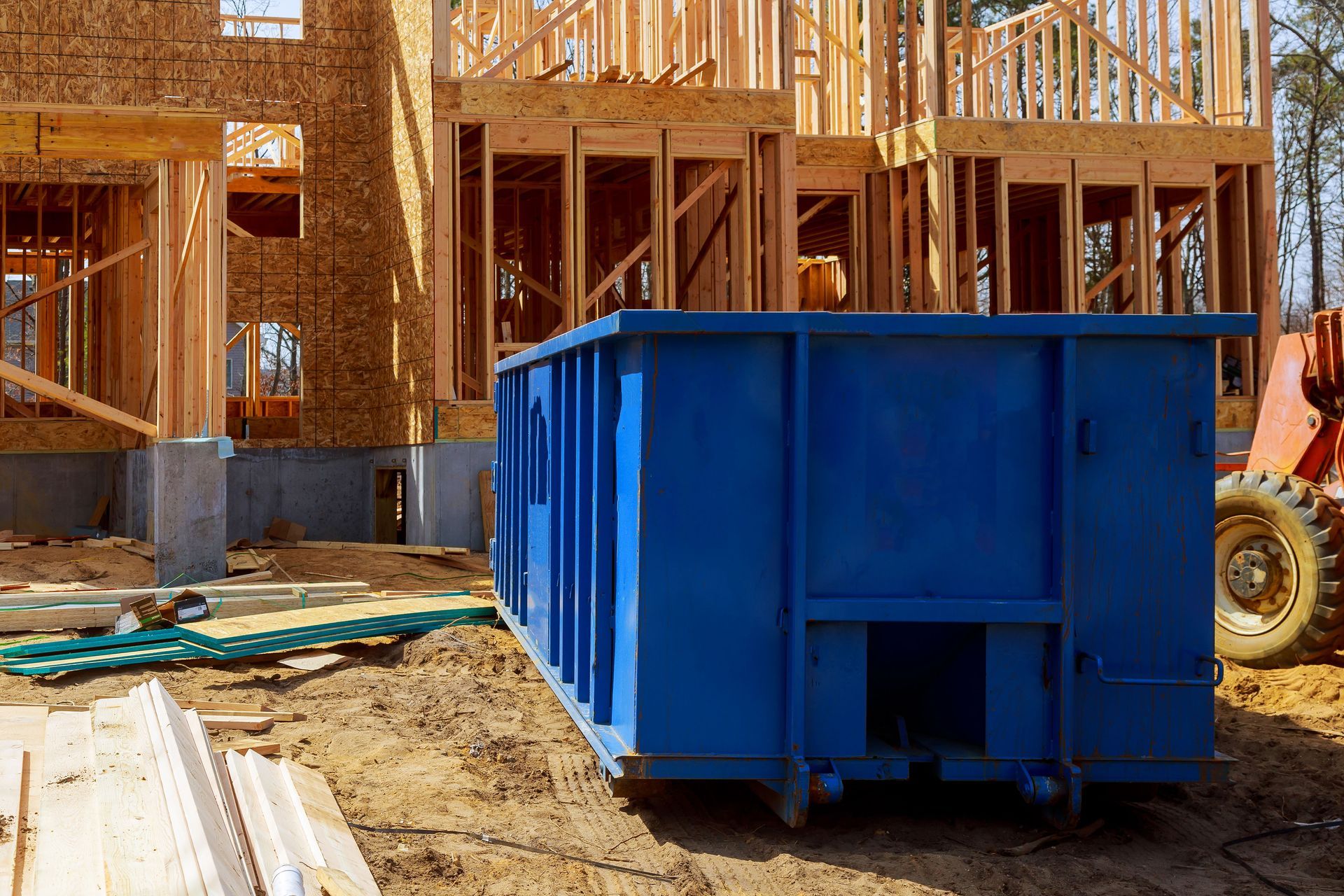
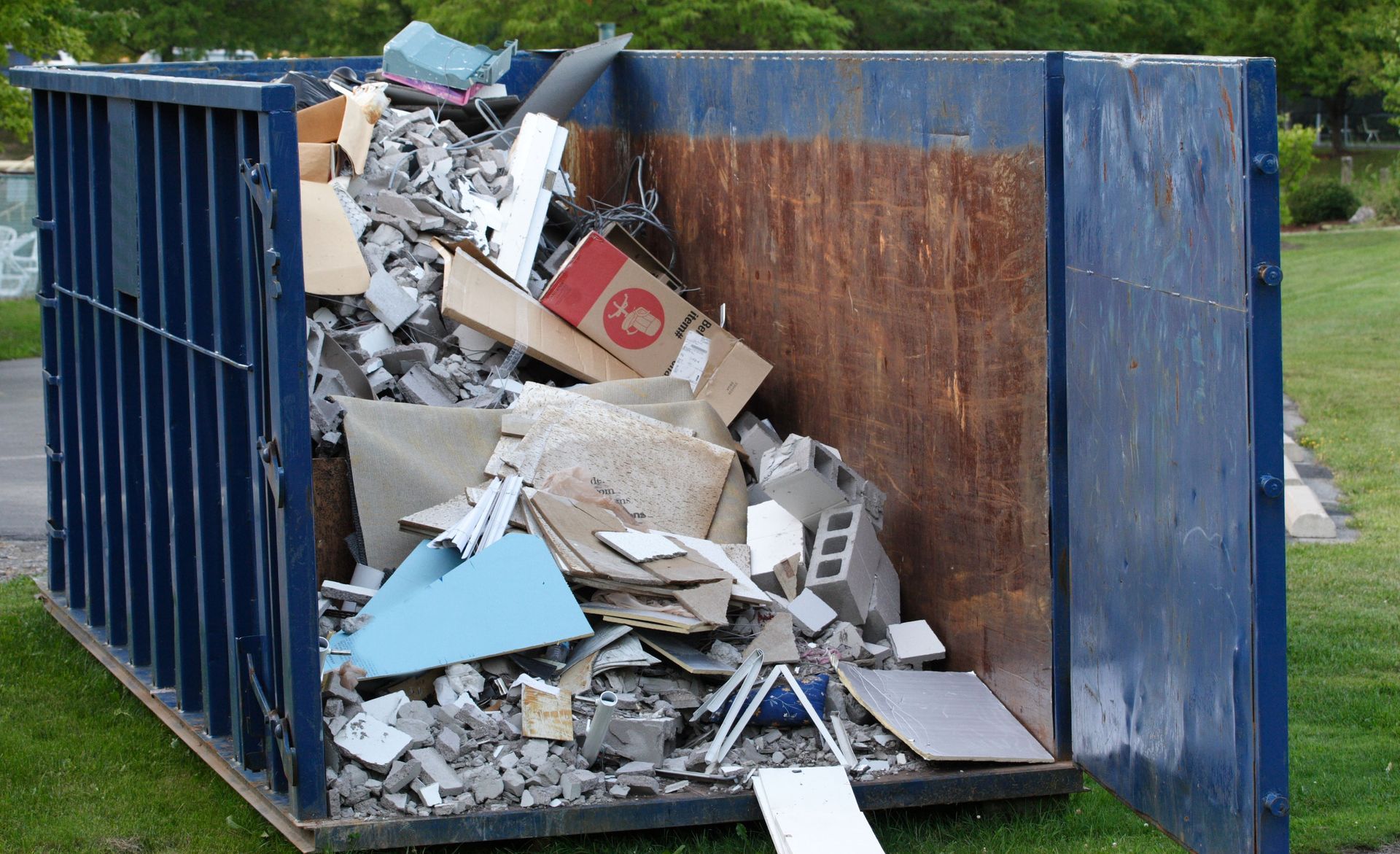
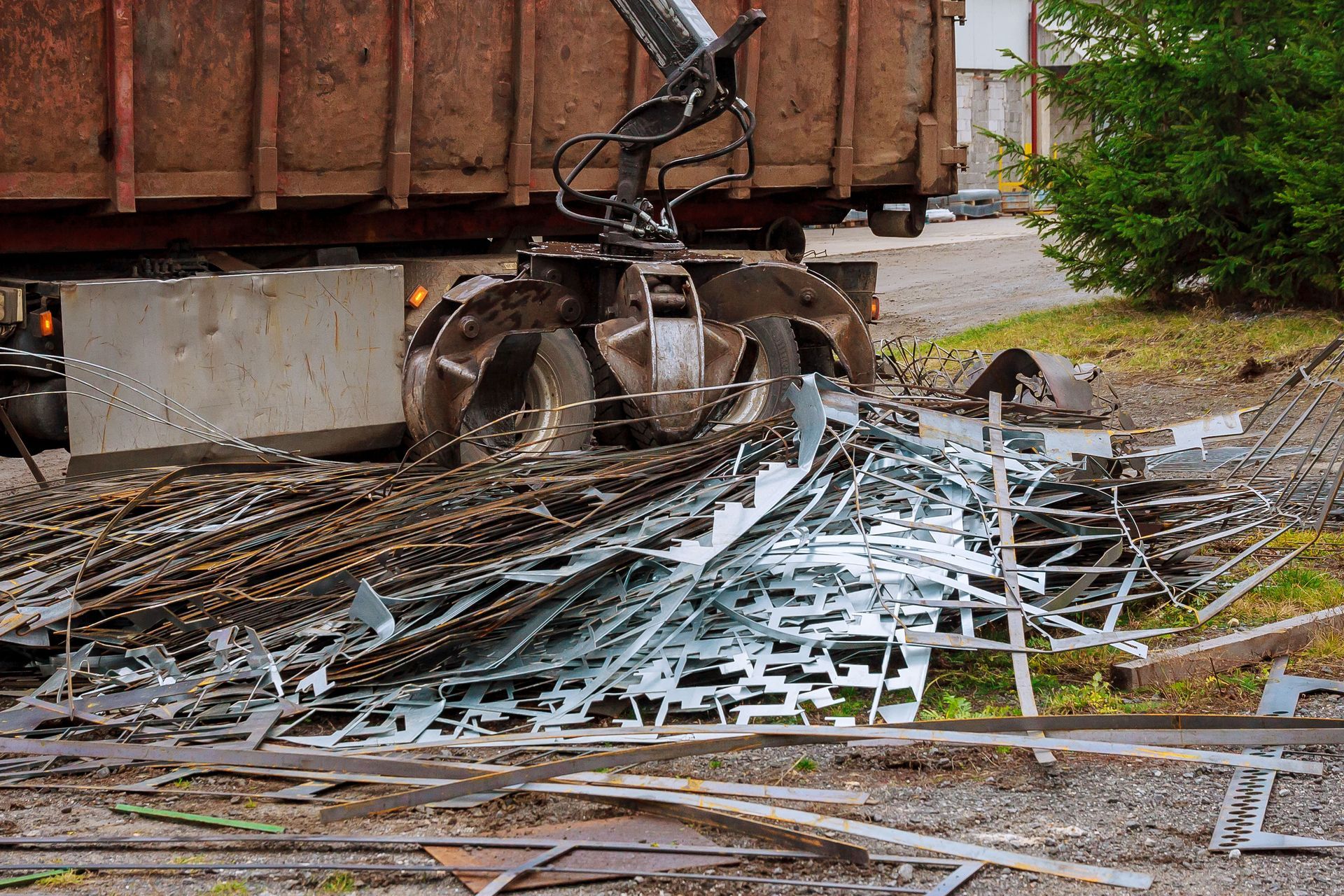
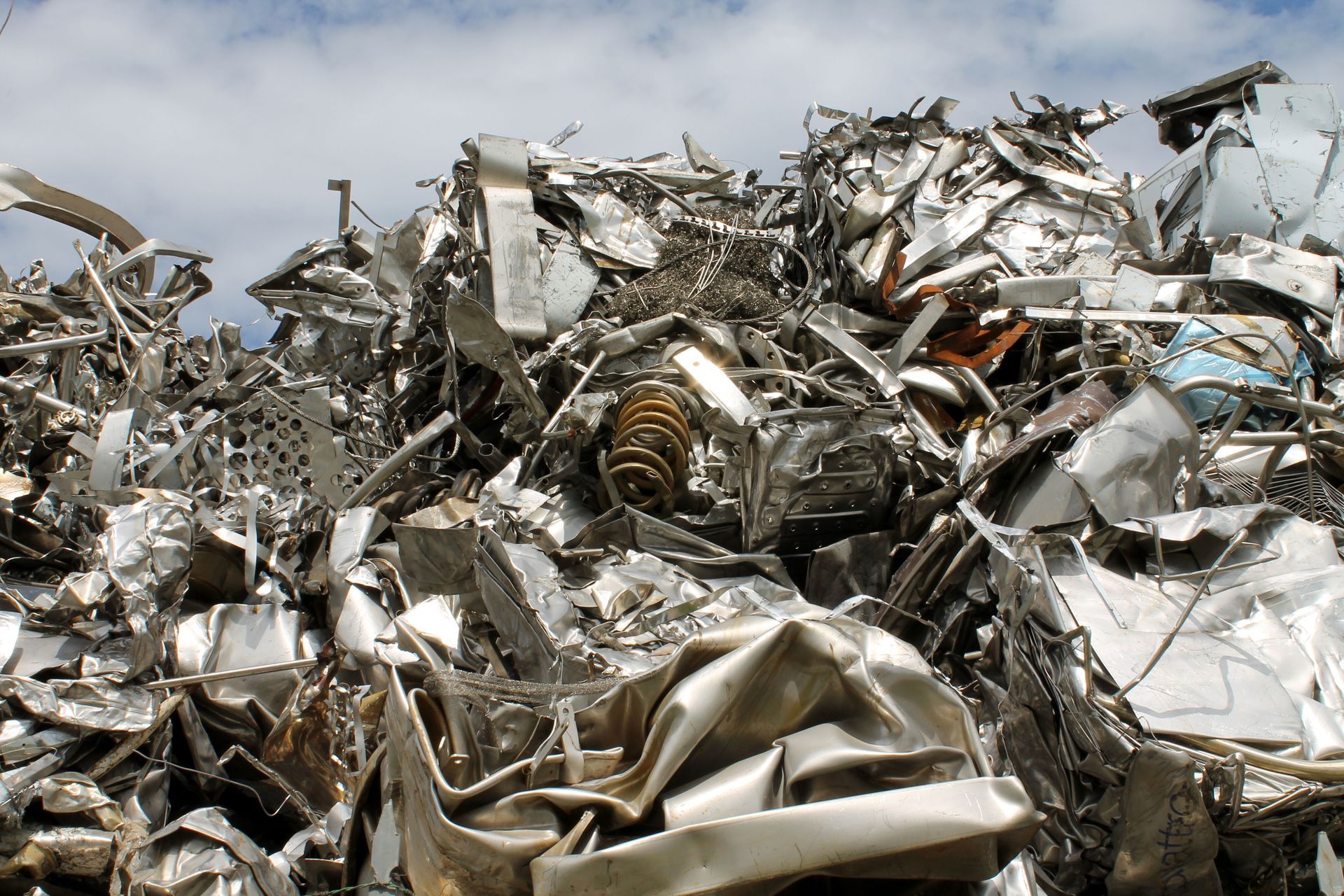
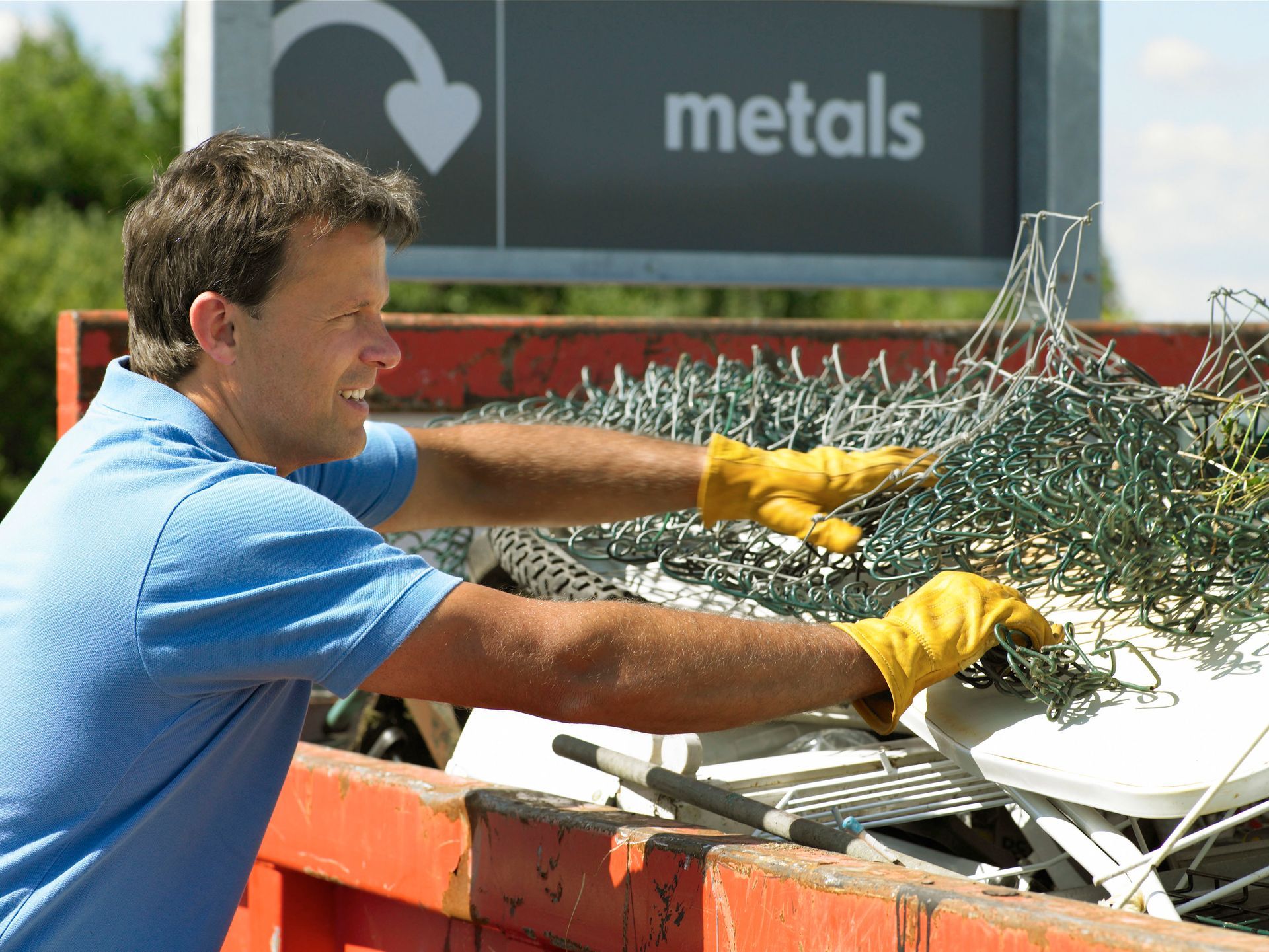
Metal recycling is one of the most efficient and economically viable segments of the industry. Aluminum, steel, copper, and other metals are recycled repeatedly without significant degradation. Industrial recycling plays a major role in metal recovery, particularly from manufacturing scrap and demolition projects.
2.2 Plastics
Plastic recycling remains one of the most challenging material streams. Industrial facilities generate large volumes of plastic waste, making industrial recycling programs essential for capturing clean, single-resin plastics before they enter mixed waste streams.
2.3 Paper and Cardboard
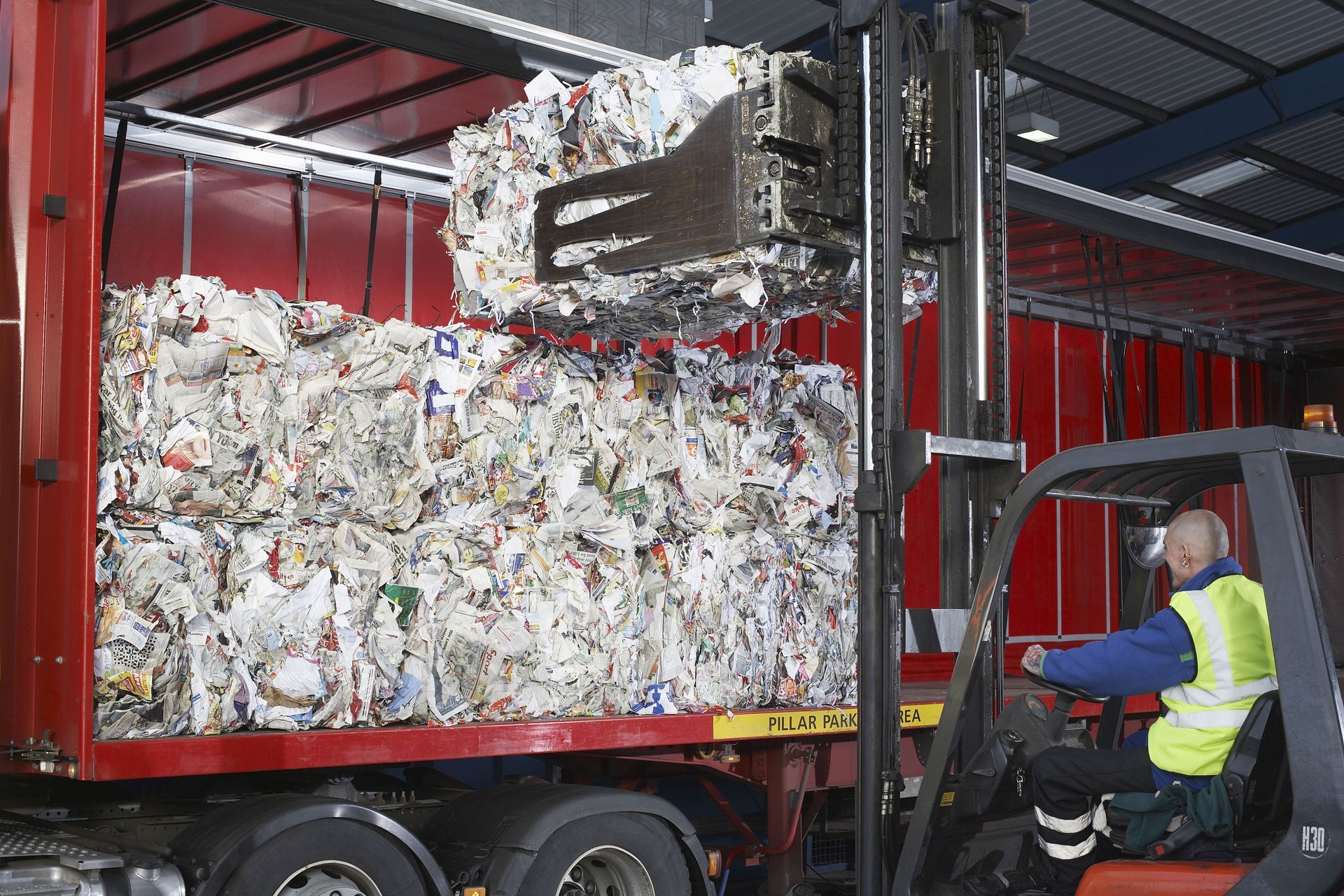
Paper and cardboard account for a large portion of recovered materials nationwide. In addition to municipal programs, industrial recycling captures corrugated cardboard and packaging waste directly from distribution centers and manufacturing plants.
2.4 Glass
Glass is highly recyclable and can be remanufactured indefinitely. Industrial generators, such as food and beverage producers, contribute significantly to glass recovery through structured industrial recycling systems.
2.5 Electronic Waste
E-waste is a rapidly growing segment due to increased consumption of electronic devices. Many businesses rely on specialized industrial recycling services to manage obsolete equipment while recovering valuable metals and components.
3. Processes and Technologies in U.S. Recycling
3.1 Collection and Sorting
Recycling begins with collection through curbside programs, drop-off sites, and commercial services. In the context of industrial recycling, collection often occurs onsite, allowing materials to be sorted at the source and reducing contamination.
3.2 Mechanical and Chemical Recycling
Mechanical recycling remains the most widely used method across the industry. Chemical recycling continues to develop as a complementary approach, particularly for plastics generated through industrial recycling streams that require advanced processing.
3.3 Automation and Robotics
Automation and robotics improve efficiency, safety, and accuracy in sorting operations. These technologies are especially impactful in large-scale industrial recycling facilities that process high material volumes daily.
3.4 Quality Control and Standards
Maintaining consistent material quality is essential for market acceptance. Quality standards are particularly important in industrial recycling, where recovered materials are often reused directly in manufacturing.
4. Environmental and Social Impact
4.1 Reduction of Landfill Waste
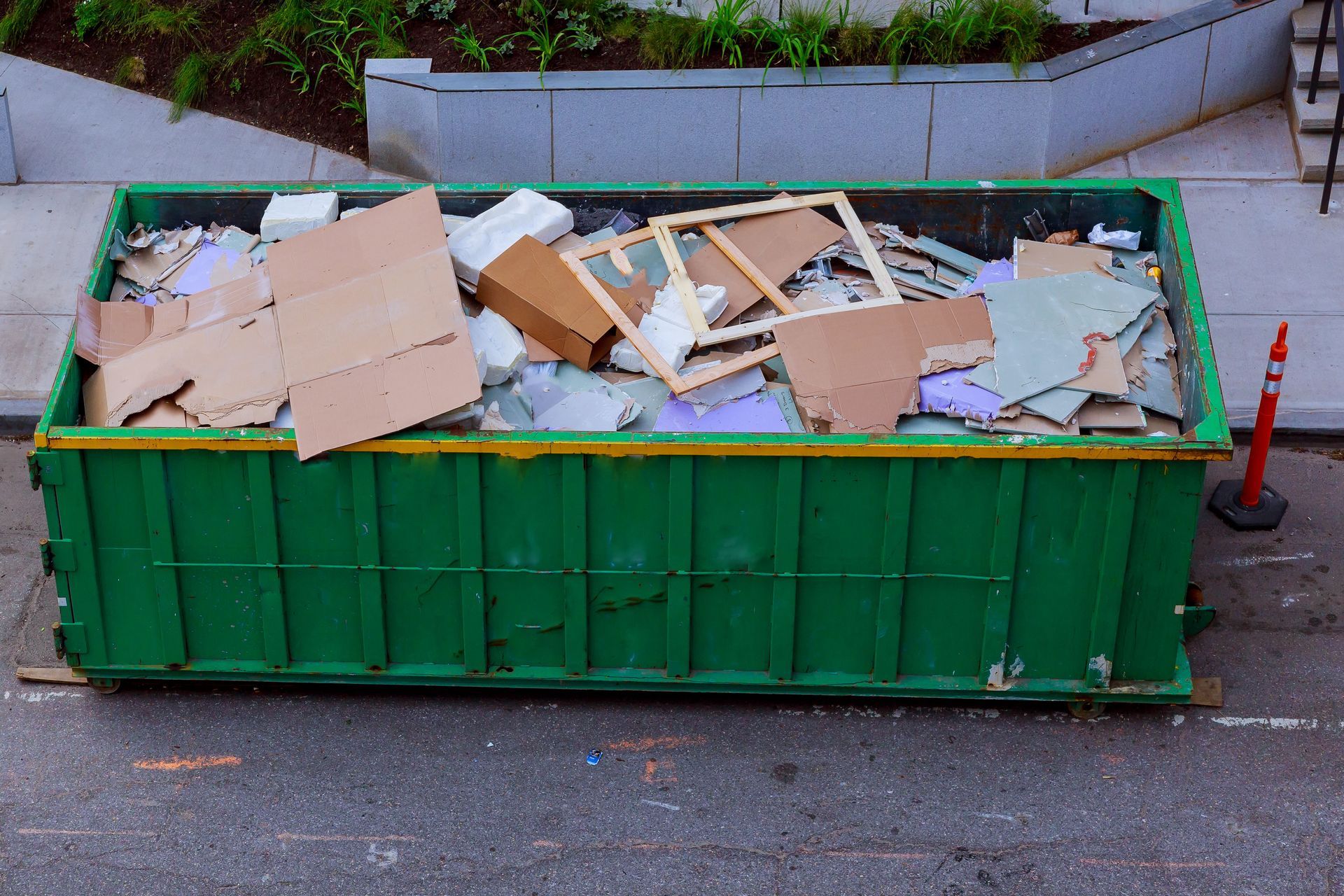
Recycling diverts significant volumes of waste from landfills. Industrial recycling contributes substantially to this reduction by capturing materials before they enter the municipal waste stream.
4.2 Energy Conservation
Recycling conserves energy by replacing energy-intensive virgin material production. Industrial recovery systems amplify these savings by operating at scale.
4.3 Pollution Mitigation
By reducing extraction, processing, and disposal activities, recycling lowers air and water pollution. Industrial recycling further reduces emissions by minimizing transportation and disposal requirements.
4.4 Resource Preservation
Recycling conserves finite natural resources and supports a circular economy. Industrial recovery plays a key role in keeping valuable materials in continuous use.
4.5 Social Benefits and Awareness
The industry supports employment across a wide range of skill levels. As industrial recycling expands, it creates new jobs in logistics, processing, and materials management.
5. Economic Drivers and Inhibitors
5.1 Economic Incentives
Tax credits, grants, and sustainability commitments drive investment in recycling infrastructure, including advanced industrial systems.
5.2 Market Demand and Pricing
Commodity price fluctuations influence profitability. Industrial-scale recovery helps stabilize supply by providing consistent material volumes.
5.3 Barriers to Profitability
Contamination, infrastructure gaps, and regulatory complexity can limit financial performance, particularly for smaller operators.
5.4 Investment Trends
Public and private investment continues to grow, with increasing focus on automation, domestic processing, and industrial recycling infrastructure.
5.5 Role of Export Markets
International markets influence material pricing and flow. Changes in export policy have increased the importance of strong domestic industrial recovery systems.
6. Future of the U.S. Recycling Industry
6.1 Industry Trends
Future growth is expected to be driven by circular economy principles, product redesign, and expanded industrial participation.
6.2 Technology and Innovation
Advances in AI, automation, and material science will continue to strengthen industrial and commercial recovery operations.
6.3 Policy and Regulation
Policy changes are likely to promote producer responsibility and further integrate industrial recycling into national sustainability strategies.
6.4 Sustainability Goals
The industry aligns with emissions reduction, resource efficiency, and long-term environmental resilience goals.
6.5 Social and Cultural Shifts
Growing public and corporate interest in sustainability reinforces the role of large-scale material recovery.
The U.S. recycling industry is a vital component of environmental protection, economic development, and resource management. Through the recovery of millions of tons of materials each year, including significant contributions from industrial recycling, the industry reduces landfill use, conserves energy, supports employment, and strengthens domestic supply chains. Continued investment in technology, policy alignment, and participation positions the industry for sustained growth and long-term impact. Reach out to American Metal & Paper Recycling Inc today to learn more about industrial recycling.

Share On: